

 英语
英语 西班牙语
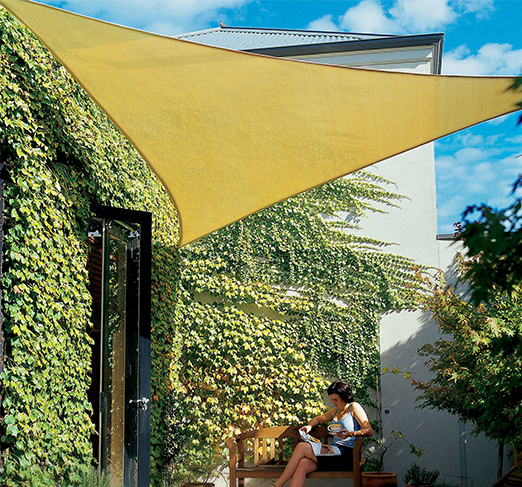
西班牙语Sun shade sails are widely used in agriculture and livestock operations to provide reliable protection against sunlight, heat, and harsh weather. Manufacturers focus on producing durable, functional, and easy-to-install solutions to support crop growth, animal welfare, and farm efficiency.
Materials and Sun Protection
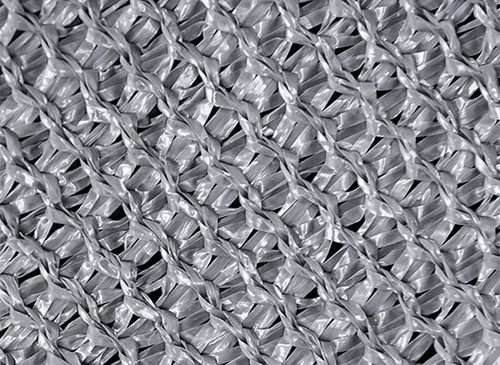
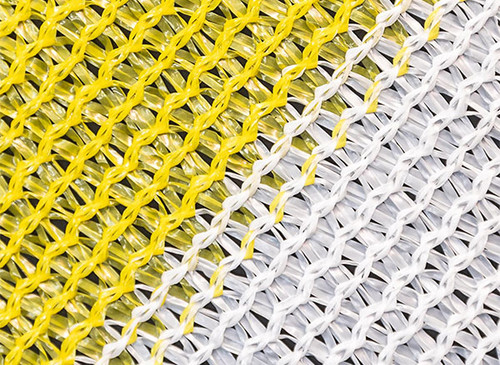
Agricultural shade sails are generally made from high-density polyethylene (HDPE) or polyester fabrics with UV-stabilized treatments. These materials reduce sunlight intensity while allowing airflow, keeping crops and livestock cooler during hot days. The fabric’s durability ensures that it resists tearing, fading, and damage from prolonged exposure to sun, rain, and wind.
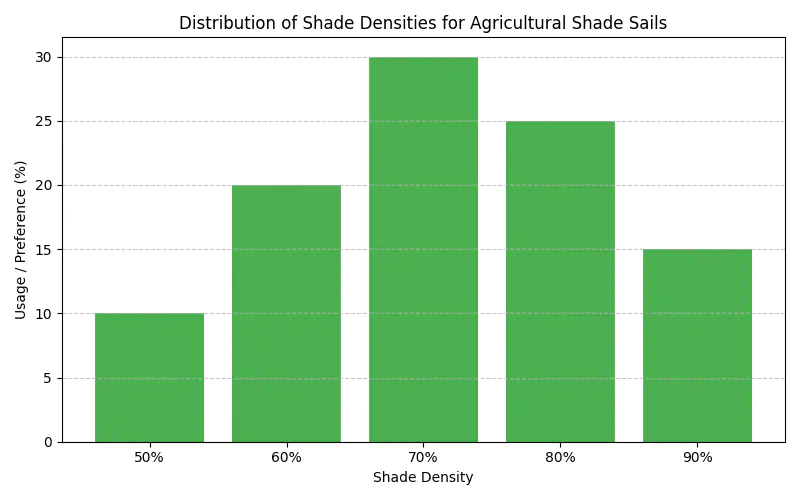
Shade sails come in different shade densities, ranging from 50% to 90% blockage, allowing farmers to choose the level of sunlight reduction appropriate for specific plants or animals. The breathable nature of HDPE also prevents heat buildup underneath the sail, creating a more comfortable microclimate for livestock and protecting delicate crops from sunburn or heat stress.
Safety and Structural Design
Safety and stability are crucial for large outdoor installations. Agricultural shade sails are reinforced with double-stitched edges and corner reinforcements, and are secured using heavy-duty D-rings, turnbuckles, and tension cables. Proper installation ensures that the sails remain taut, withstand wind loads, and avoid flapping or collapsing.
Poles or frame supports are spaced and anchored to maintain the correct tension across the sail, while angled installations allow for rainwater runoff and prevent water pooling, which could damage the fabric or stress the structure. Some farms use adjustable or retractable systems for seasonal changes or to allow temporary sunlight when needed.
Maintenance and Longevity
Regular maintenance is essential to maximize the lifespan of agricultural shade sails. Cleaning the fabric with mild soap and water removes dust, pollen, and debris that could reduce sun protection efficiency. Inspecting the tension and hardware periodically helps prevent sagging and ensures that corner reinforcements remain secure.
During severe weather events, sails can be partially or fully removed to prevent damage from high winds or heavy rain. Storing unused sails in a dry, ventilated area helps prevent mold or mildew growth and preserves the fabric’s strength and color.
Applications in Agriculture and Livestock
Agricultural shade sails are used over nurseries, greenhouses, vegetable fields, poultry farms, and livestock pens. In nurseries and greenhouses, sails control sunlight exposure, reducing heat stress on young plants and improving growth conditions. For livestock, shade sails protect animals from excessive sun and heat, reducing stress and improving health and productivity.
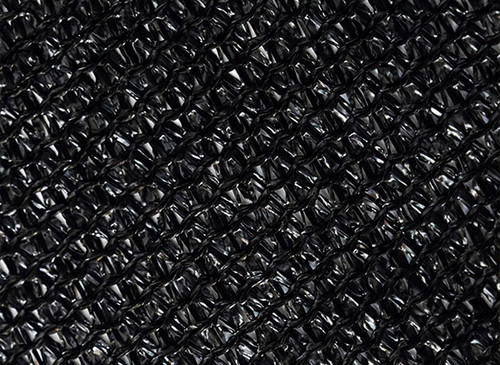
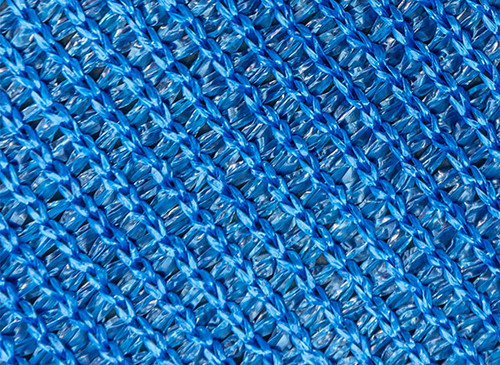
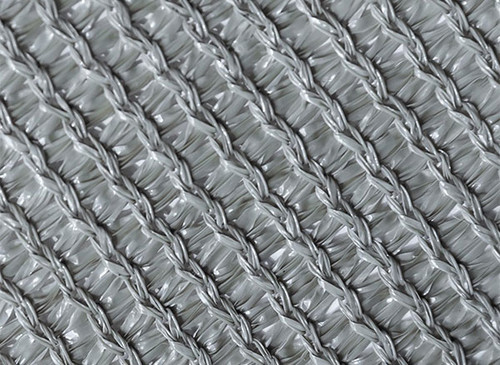
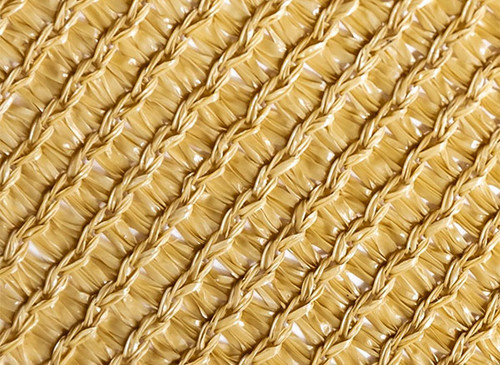
The flexibility of shade sails allows coverage of irregular areas, and multiple sails can be combined to cover large pens or fields. Farmers can also choose different colors or densities to optimize light and airflow for specific crops or animal species.
Frequently Asked Questions
What materials are used in agricultural shade sails?
HDPE and polyester fabrics with UV-stabilized treatments are common, offering durability, sun protection, and airflow.
How are shade sails installed safely on farms?
Using reinforced corners, D-rings, and tension cables, sails are anchored to poles or frames and angled for proper water runoff.
Can shade sails protect livestock effectively?
Yes, they reduce heat stress and sun exposure, creating a cooler environment for animals.
How should agricultural shade sails be maintained?
Clean with mild soap and water, inspect tension and hardware regularly, and store sails during bad weather if possible.
What shade densities are available?
Sun shade sails typically range from 50% to 90% blockage, allowing customization for different crops and animal needs.