

 英语
英语 西班牙语
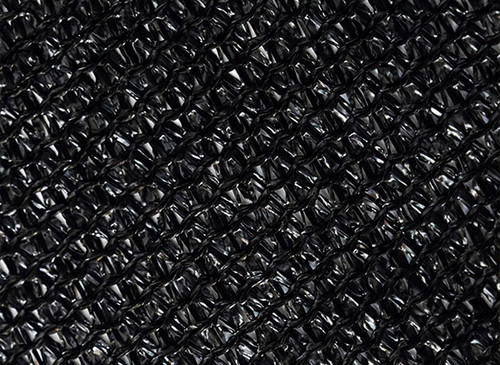
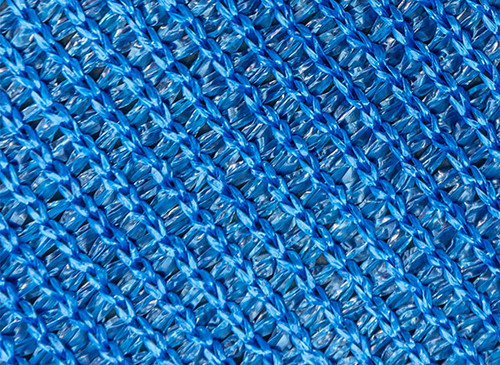
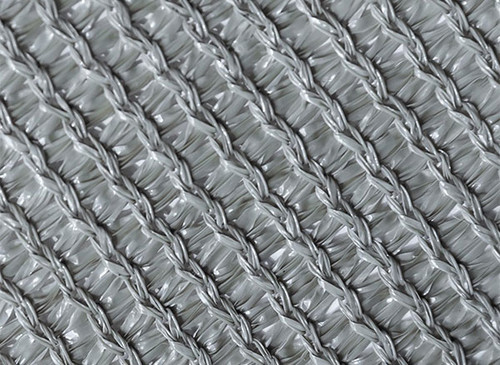
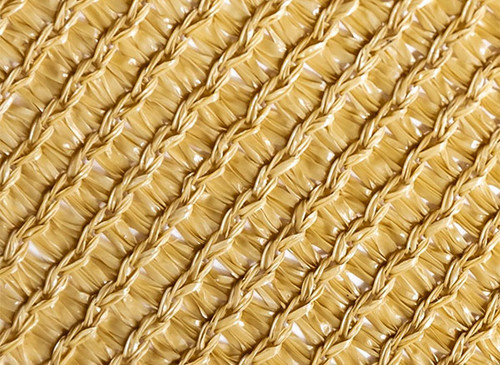
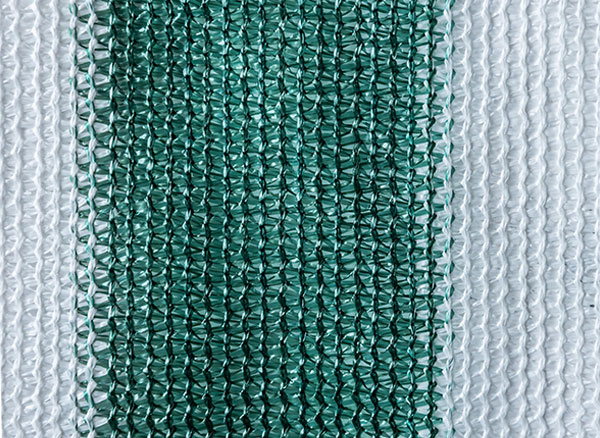
西班牙语The agriculture sun shade net has become an essential tool for farmers who seek to balance sunlight exposure, temperature, and environmental factors in both field and greenhouse cultivation. Made from high-density polyethylene (HDPE) and treated for UV resistance, these nets are available in varying shading densities, generally between 20% and 95%, depending on crop type, climate, and seasonal conditions. Their primary purpose is to modulate light intensity while simultaneously providing passive protection against wind and certain pests.
Sun shade nets are frequently deployed over vegetable plots, fruit orchards, and floriculture operations. Studies and field observations show that properly selected shading densities can reduce surface temperature by 2–5°C compared with fully exposed crops, creating a more favorable microclimate for photosynthesis and reducing plant stress. For instance, leafy greens such as spinach and lettuce demonstrate more uniform leaf coloration and growth under 40–50% shade nets in regions with high solar intensity. In comparison, heat-sensitive crops like strawberries often benefit from denser shading, which prevents sunburn and maintains fruit quality.
Beyond light management, agricultural sun shade nets are effective in wind mitigation. In open-field environments, strong gusts can bend or break plant stems and cause soil erosion. When installed along perimeters or suspended above crops, shade nets act as a semi-permeable wind barrier, reducing mechanical stress without completely obstructing airflow. This protective function is particularly useful for high-value crops and delicate flowering plants. Additionally, the mesh structure of the nets can prevent certain insects and birds from accessing crops, offering a non-chemical option for pest management.
Water management is another aspect where shade nets contribute to agricultural efficiency. Experiments in greenhouse and open-field plots indicate that shaded areas experience slower soil moisture loss due to reduced evaporation. On average, evaporation rates beneath a 50% shading net were 12–18% lower than those in unshaded areas over two weeks in summer conditions. This moisture retention can improve irrigation efficiency and support water conservation efforts, which is increasingly relevant in regions with limited water availability.
The selection and installation of agricultural sun shade nets require careful planning. Farmers must consider crop type, stage of growth, solar patterns, and local climate when determining shading density and positioning. Some growers utilize modular nets to adjust coverage for different crop zones, allowing for targeted shading and better microclimate control. Nets should be installed with adequate tension and support to maintain uniform coverage, withstand wind events, and allow for seasonal adjustments. Maintenance includes checking for tears, cleaning accumulated dust, and replacing worn sections to maintain effectiveness.
FAQs
What is an agricultural sun shade net?
A knitted fabric used to control light, temperature, wind, and moisture in agricultural settings.
How does shading density affect crops?
Lower densities allow more light for heat-tolerant crops; higher densities reduce stress on shade-sensitive crops.
Can it protect against pests?
Yes, mesh structure can reduce access by birds and insects.
Does it affect irrigation needs?
Shaded areas retain soil moisture longer, reducing water usage.
Is the installation complex?
Proper tensioning and support structures ensure stability and consistent shading.
The agriculture sun shade net provides an effective and adaptable solution for managing crop microclimates, protecting plants from environmental stress, and supporting consistent yields. Its combination of light control, wind mitigation, and moisture management continues to make it a practical tool for modern agriculture.