

 英语
英语 西班牙语
西班牙语The fence net has become a versatile and practical solution for a wide range of outdoor settings, including residential gardens, construction sites, recreational areas, and temporary events. Typically constructed from high-density woven materials, these nets are installed on chain-link, metal, or wooden fences to provide privacy, wind buffering, visual screening, and environmental protection. They are valued for combining utility with flexibility, allowing adjustments to suit different functional and aesthetic requirements.
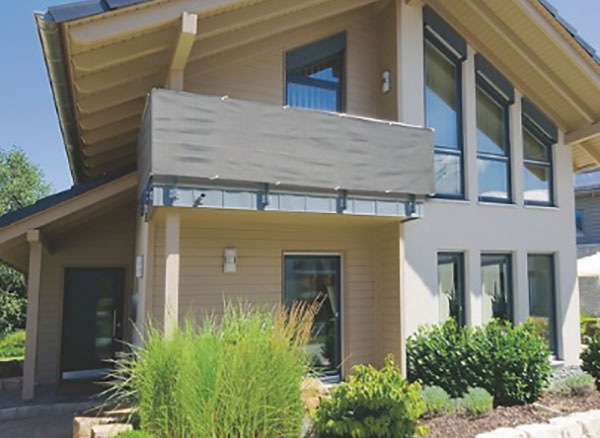
Residential homeowners often use fence nets to create private outdoor spaces. In urban neighborhoods with closely spaced homes, high-density nets reduce visibility from adjacent properties while maintaining airflow and natural light. Garden applications benefit from nets that shield plants from wind, prevent accidental damage, and deter access by birds, pets, or small animals. Some homeowners employ modular fence netting to enclose vegetable plots or flower beds, creating microclimates that moderate wind impact and reduce mechanical stress on delicate plants. In addition, nets can serve as temporary barriers during landscaping projects or yard renovations, ensuring safety and controlled access.
In recreational facilities such as tennis courts, sports fields, playgrounds, or parks, fence nets define boundaries while offering partial wind protection. Observations indicate that mesh coverage of 50–70% can reduce air turbulence without obstructing players’ or spectators’ sightlines. Temporary installations for community events, outdoor markets, or festivals rely on lightweight fence nets for flexible perimeter control. These nets are easy to install, relocate, or remove, providing adaptable solutions for crowd management, safety zones, or visual separation between event areas.
Construction and industrial sites also frequently use fence nets for safety and environmental management. In these settings, nets provide visual screening, help reduce dust and debris dispersion, and limit direct views into active zones. Properly installed nets enhance safety for workers and passersby while maintaining ventilation. Reinforced edges, grommets, and tensioned attachments ensure stability under wind or heavy use. Mesh density is selected based on whether privacy, wind mitigation, or debris control is the primary objective. For example, denser nets are preferred for urban construction sites to reduce visibility, while medium-density nets are sufficient for open-field industrial zones where airflow is a priority.
Maintenance of fence nets includes periodic inspections to check for tears, ensure consistent tension, and verify that attachment points remain secure. High-quality nets constructed from UV-resistant and weatherproof materials can last multiple seasons while retaining performance under varying environmental conditions. Color selection allows the nets to blend with landscaping, fencing, or urban surroundings, creating a visually cohesive outdoor space. In some cases, fence nets are combined with other outdoor safety features such as warning signage, reflective markers, or barrier posts to enhance functionality.
FAQs
What is a fence net?
A mesh fabric applied to fences to enhance privacy, wind protection, and safety.
Can it block views?
High-density nets reduce visibility while allowing airflow and light.
Does it influence wind flow?
Yes, the mesh buffers wind without creating stagnation or turbulence.
Where are fence nets applied?
Used in gardens, recreational areas, construction sites, temporary events, and industrial zones.
Can fence nets be used seasonally or temporarily?
Yes, modular or removable nets allow seasonal adjustments or temporary use for events and projects.
The fence net provides a practical, adaptable, and reliable solution for outdoor privacy, safety, and environmental management. By combining airflow control, visual screening, wind buffering, and ease of installation, these nets are valuable tools for residential, recreational, industrial, and commercial applications, helping create functional, safe, and visually cohesive outdoor spaces.