

 英语
英语 西班牙语
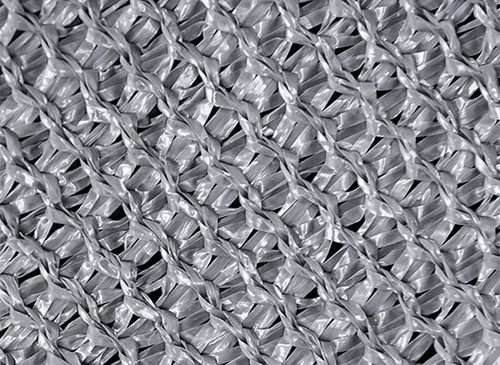
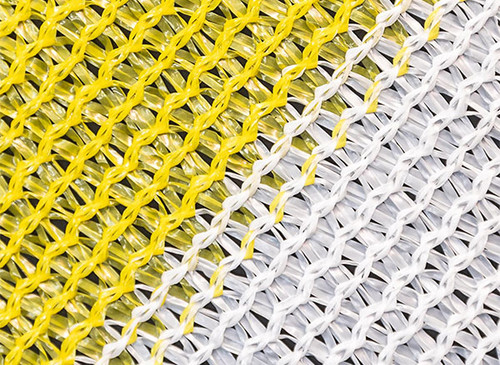
西班牙语In recent years, fence nets have become a widely adopted solution for residential and commercial outdoor spaces. Manufactured from high-density polyethylene (HDPE), these nets are valued for their durability and practical performance. HDPE mesh is known for its UV stability, resistance to fading, and strong tear resistance, making it suitable for long-term exposure to sunlight and outdoor conditions. The open-weave design allows air to pass through while providing an effective barrier, which helps maintain airflow in gardens, backyards, and patios.
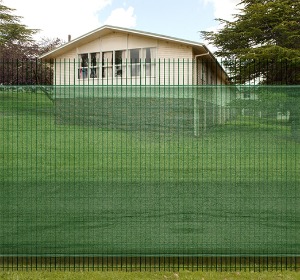
The growing interest in privacy and multifunctional applications has further increased the popularity of fence nets. Homeowners and property managers are increasingly using them to create visual screens, reducing visibility from neighboring properties while maintaining a sense of openness. Fence nets are also effective in minimizing dust and wind intrusion, making them particularly suitable for urban and semi-urban environments where airflow is necessary but privacy and comfort remain priorities. On popular e-commerce platforms, products offering these combined benefits have seen steady sales growth, reflecting their practical value for outdoor areas.
Fence nets are not only functional for privacy but also widely applied in horticultural and landscaping contexts. Gardeners and landscape designers frequently use fence nets to protect plants, greenhouses, and courtyard greenery. The mesh provides partial shading that can reduce direct sunlight exposure without completely blocking natural light, which is essential for healthy plant growth. At the same time, the open-weave structure ensures proper ventilation, reducing the risk of overheating or moisture accumulation that could harm sensitive plants. In regions with moderate to strong winds, fence nets serve as effective windbreaks, protecting both plants and outdoor seating areas.
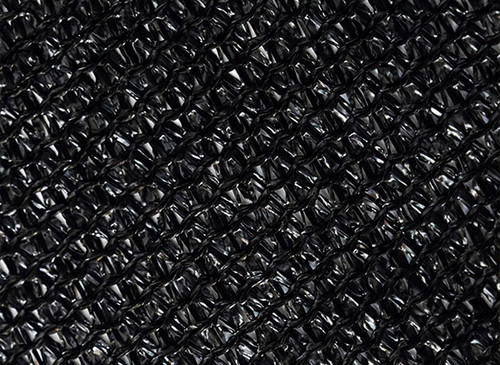
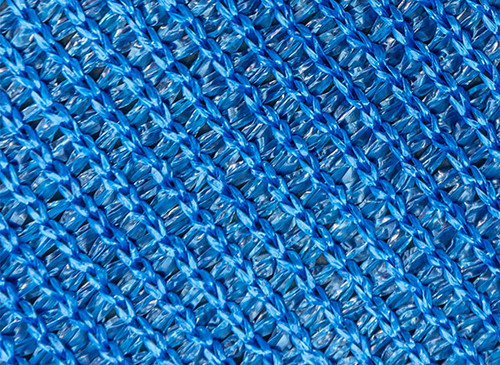
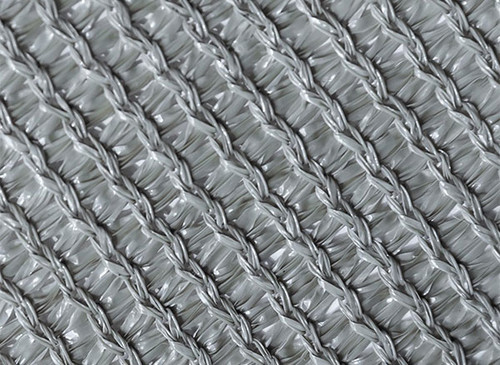
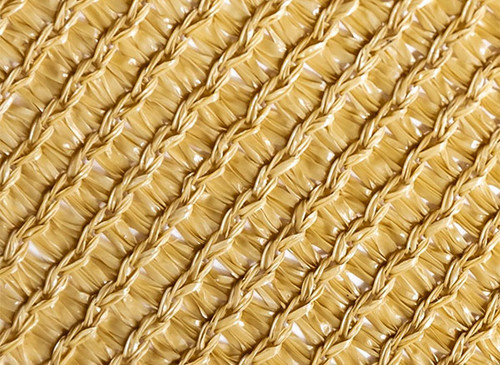
Customization is another factor driving the adoption of fence nets. Many manufacturers offer various colors, shading levels, and reinforced edging options to meet different aesthetic and functional needs. Some products are designed for easy attachment to chain-link fences, wooden fences, or temporary structures, enabling quick installation and flexible positioning. For homeowners seeking a long-term outdoor improvement, these nets offer a low-maintenance alternative to traditional wooden or metal barriers. According to industry sources, high-quality HDPE fence nets can last up to ten years under regular outdoor conditions, providing a cost-effective solution for long-term privacy and environmental protection.
The versatility of fence nets extends to commercial applications as well. Restaurants, cafés, and event spaces are increasingly using fence nets to define outdoor areas, create visually appealing partitions, and enhance comfort for patrons. By combining privacy, sun protection, and airflow, fence nets allow operators to maintain a pleasant outdoor environment without significant structural investment. Similarly, public gardens and parks use fence nets to protect newly planted areas or create temporary visual barriers during maintenance and landscaping projects.
Overall, fence nets offer a combination of durability, functionality, and aesthetic flexibility that meets the needs of modern outdoor spaces. In addition to providing privacy, they help reduce wind and dust exposure, shield plants from harsh sunlight, and enhance the visual appeal of gardens and patios. These features make them a practical and attractive option for residential yards, commercial outdoor areas, and public green spaces alike.