

 英语
英语 西班牙语
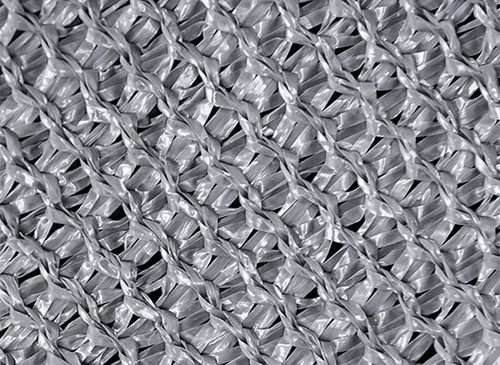
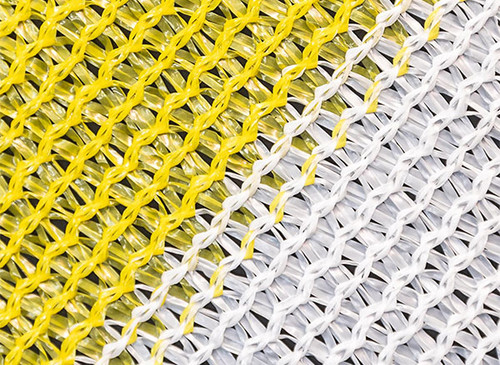
西班牙语The shade net for greenhouse is widely used in modern agriculture to control light, temperature, and environmental conditions inside protected cultivation structures. Typically made from high-density polyethylene (HDPE) with UV stabilizers, these nets are designed for durability and consistent performance across multiple seasons. Shading rates range from approximately 30% to 95%, depending on crop requirements and local climate. By adjusting sunlight penetration, shade nets help create uniform microclimates that improve plant growth while reducing stress from intense solar radiation.
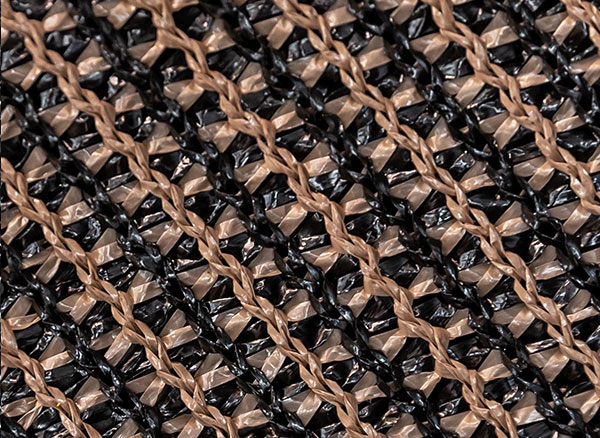
Growers install shade nets over greenhouse frames to manage light intensity and temperature. In controlled trials, areas under a 50% shade net showed temperature reductions of 2–4°C compared with fully exposed sections, while light was more evenly distributed across plant canopies. Crops such as tomatoes, cucumbers, peppers, and ornamental flowers demonstrated more uniform size, color, and overall growth when grown under properly selected shading nets. In addition to light modulation, shading also reduces leaf scorching and the risk of temperature spikes that can impact photosynthesis and plant metabolism.
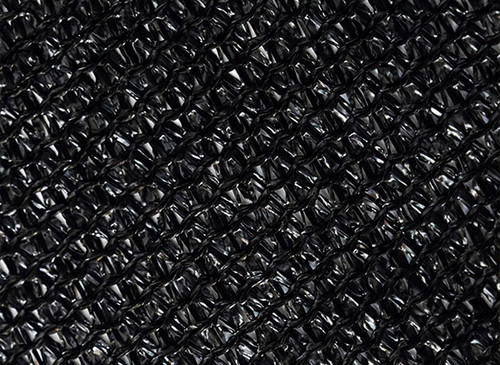
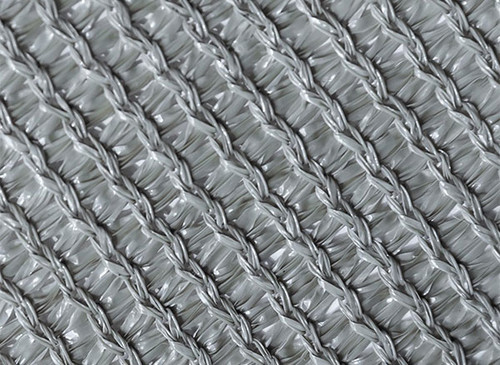
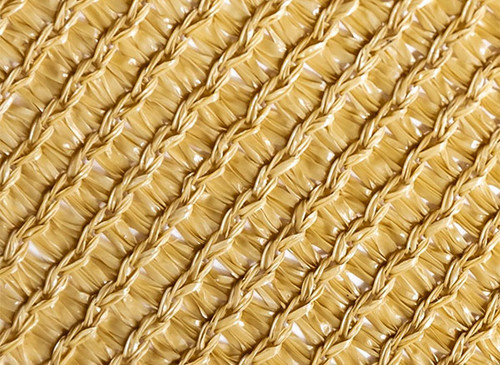
Humidity control is another advantage. By limiting direct sunlight, evaporation from soil and plant surfaces slows, maintaining more stable moisture levels. This effect can improve water use efficiency and reduce irrigation frequency, which is valuable in areas with limited water resources. The knitted structure of shade nets can also serve as a passive barrier to certain insects and birds, reducing crop damage without the need for chemical interventions. Farmers report that lighter-colored nets increase diffuse light beneficial for seedlings, whereas darker nets are applied to heat-sensitive crops to avoid excessive solar load.
In addition to microclimate management, greenhouse shade nets contribute to operational efficiency. They can protect greenhouse structures from light rainfall and moderate wind, reducing potential mechanical stress on frames and plant supports. Seasonal adjustments allow growers to optimize shading for different stages of crop development. Nets are often combined with ventilation systems to ensure air circulation, preventing excessive humidity accumulation that could encourage fungal growth.
Proper installation and maintenance are essential. Shade nets should be evenly tensioned and securely attached to the greenhouse frame to prevent sagging or displacement during strong winds. Periodic inspection ensures early detection of tears or wear. In larger operations, modular net sections allow targeted shading for specific crop zones. Observations indicate that when multiple shading layers are used, growers can fine-tune light intensity to suit different species or developmental stages simultaneously.
FAQs
What is a greenhouse shade net?
A fabric layer installed over greenhouse structures to control sunlight, temperature, and moisture levels.
How does shading rate affect crops?
Different rates support crop-specific light, temperature, and growth requirements.
Can it reduce pest access?
Yes, the knitted structure limits access for insects and birds.
Does it affect water usage?
Shading slows evaporation, improving water use efficiency and reducing irrigation frequency.
Is installation difficult?
Proper tensioning and support structures ensure uniform coverage and maintain durability.
Can shade nets help with structural protection?
Yes, they provide minor protection against wind and light rainfall, reducing stress on greenhouse frames and plant supports.
The shade net for greenhouse remains an essential component in modern controlled-environment agriculture. By regulating light, temperature, humidity, and providing passive pest protection, it supports consistent crop development, operational efficiency, and sustainable production practices throughout the growing season. With careful selection, installation, and maintenance, shade nets offer growers a flexible and reliable tool to manage greenhouse conditions effectively.