

 英语
英语 西班牙语
西班牙语In recent years, Sun Shade Nets have gained attention as an effective solution for enhancing outdoor spaces, particularly in North America and Europe, where many households feature patios, balconies, and backyards. The growing interest in DIY outdoor projects has led homeowners to install sun shade nets to create shaded areas for relaxation, gardening, and social activities. According to recent search trend data, the keyword “outdoor sunshade” has maintained a high level of global search interest over the past few months, reflecting increasing consumer demand for practical and flexible shading solutions.
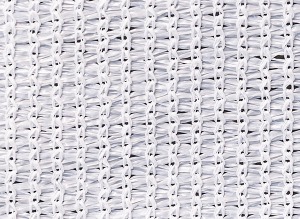
One of the driving factors behind this trend is the growing awareness of water conservation and environmental protection. Sun shade nets can significantly reduce water evaporation and lower soil temperatures, which helps decrease the frequency of irrigation. This feature is especially important in regions facing water scarcity or drought conditions. Farmers and gardeners are adopting shade nets not only to protect plants from excessive sunlight but also to enhance resource efficiency in their cultivation practices. Sustainable gardening and environmentally friendly outdoor management are becoming key considerations for both commercial and residential users, further supporting the popularity of sun shade nets.
Material quality and performance are another major focus for users when selecting sun shade nets. High-quality nets are typically made from UV-stabilized materials, providing long-term resistance to aging, tearing, and weather-related damage. These properties ensure durability under prolonged exposure to sunlight and outdoor conditions. In addition to durability, users increasingly pay attention to shading efficiency, ventilation, and overall comfort. A well-designed sun shade net allows airflow while providing effective sun protection, making outdoor spaces more comfortable for both plants and people. Farmers, gardeners, and homeowners consistently emphasize these factors when choosing a shading solution, reflecting a shift toward long-term investment in outdoor infrastructure rather than temporary fixes.
Sun shade nets are also versatile in their applications. Beyond residential patios and balconies, they are widely used in community gardens, greenhouses, agricultural fields, and outdoor recreational areas. The ability to provide customizable shading, maintain airflow, and withstand environmental stress makes them suitable for multiple settings. Manufacturers now offer a range of options, including different colors, sizes, and shading percentages, allowing users to tailor coverage to specific needs. Reinforced edges and easy installation features further enhance their usability, encouraging broader adoption among both individual consumers and commercial operators.
User experience plays an important role in shaping the market. Many gardeners and homeowners report that sun shade nets help maintain plant health, prevent leaf burn, and create more comfortable outdoor environments. In addition, easy maintenance and long-lasting performance contribute to the overall value of these products. The combination of functionality, durability, and environmental benefits positions sun shade nets as a practical choice for modern outdoor living and gardening practices.
In summary, Sun Shade Nets are increasingly viewed as a valuable addition to outdoor spaces. By offering effective sun protection, supporting water conservation, and providing durability and comfort, they meet the evolving needs of homeowners, gardeners, and commercial operators alike. As interest in sustainable outdoor living continues to grow, suppliers offering high-quality sun shade nets are likely to experience steady demand from customers seeking versatile and reliable shading solutions.