

 英语
英语 西班牙语
西班牙语Homeowners are placing greater emphasis on enhancing their outdoor areas, and Sun Shade Nets for Leisure Courtyards are gaining attention for their ability to blend style with practical function. Shade sails, usually constructed from high-quality mesh fabrics, come in a variety of colors and shapes, enabling homeowners to create flexible, modular layouts. These designs can accommodate different courtyard sizes, patio arrangements, or deck configurations, allowing for tailored coverage that meets specific sunlight, privacy, and aesthetic needs. Many users also appreciate the ease of installation and the ability to adjust or expand the nets over time, making them a durable addition to outdoor living spaces.
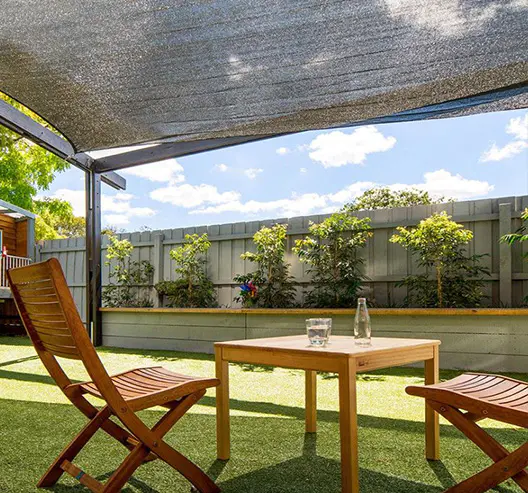
The rise in popularity of Sun Shade Nets for Leisure Courtyard reflects a broader trend in outdoor space renovation. By 2025, industry analysts project that nearly 60% of urban households in certain regions will consider upgrading their patios or terraces with functional shading solutions. The shift is driven by a desire to create outdoor environments suitable for relaxation, social gatherings, and garden activities while maintaining comfort under varying weather conditions. Consumers increasingly prioritize features such as UV protection, water resistance, and structural durability when selecting shade systems.
One of the key advantages of modern shade nets is their versatility. Many products now serve multiple purposes beyond sun protection. Homeowners report using them as privacy screens, light rain shelters, and dust barriers. Reviews on popular e-commerce platforms indicate that buyers appreciate the combination of shade and privacy, particularly in densely populated neighborhoods where outdoor visibility can be a concern. Some shade nets offer adjustable tension or modular connections, enabling users to expand coverage or change layouts according to seasonal needs or specific occasions.
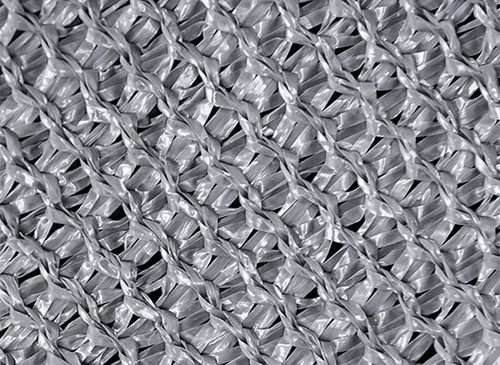
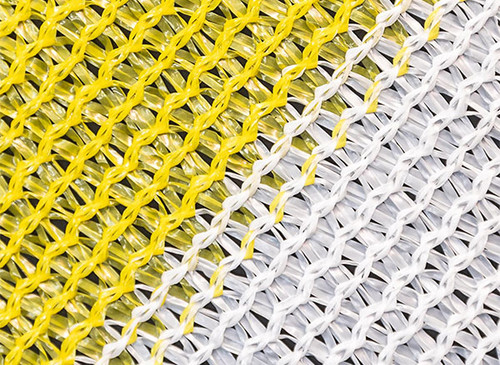
Material selection plays a crucial role in the performance of these nets. High-density polyethylene (HDPE) and polyethylene (PE) fabrics are widely used due to their strength, UV resistance, and breathability. Most shade nets feature an open-weave structure that allows airflow while blocking a portion of sunlight. Products typically provide 55% to 95% shading, giving homeowners flexibility in controlling light intensity in their courtyards. Manufacturers highlight that proper installation and orientation can extend product life, with some shade nets lasting up to 10 years under regular maintenance.
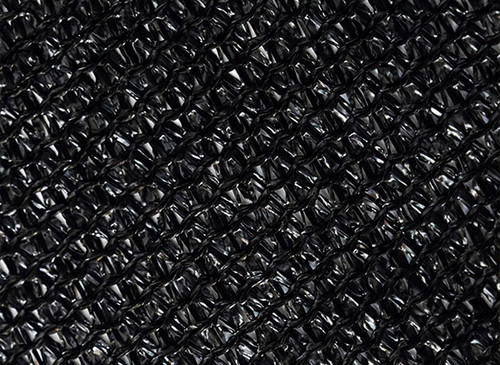
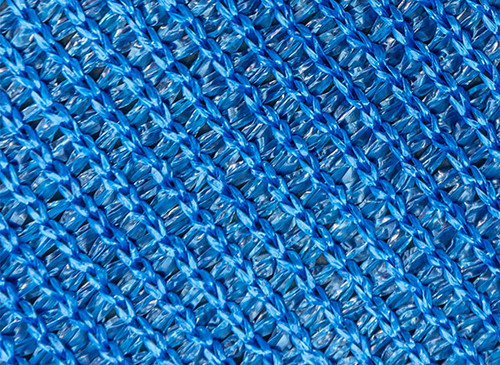
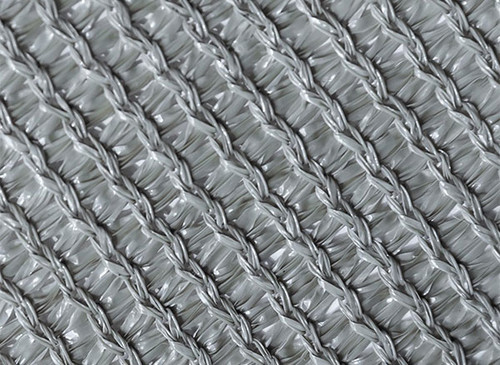
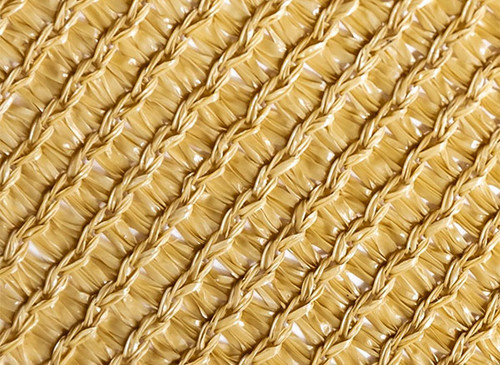
Design flexibility is another factor contributing to the popularity of Sun Shade Nets for Leisure Courtyard. Custom colors and shapes allow homeowners to complement outdoor décor, from contemporary urban patios to traditional garden layouts. Modular designs make it possible to create layered coverage, combining multiple nets to form larger shaded areas or intricate patterns. Landscaping professionals suggest that integrating shade nets with climbing plants, pergolas, or outdoor furniture can enhance both aesthetic appeal and functional comfort.
Beyond private residences, shade nets are increasingly used in commercial and public settings, including cafés, rooftop terraces, and small outdoor event spaces. Their lightweight structure, ease of installation, and adaptability make them suitable for a range of environments, adding both visual interest and practical benefits. The market response shows steady interest from businesses seeking cost-effective ways to enhance customer comfort while managing exposure to sunlight.
In conclusion, Sun Shade Nets for Leisure Courtyard enhance outdoor living by combining modular layouts, privacy features, and effective sun protection. With increasing focus on durable materials, reliable performance, and adaptable designs, these shade nets offer long-term value for both residential and commercial spaces.