

 英语
英语 西班牙语
西班牙语The global sunshade net industry is experiencing steady growth as awareness of sun protection benefits increases across agricultural, commercial, and residential sectors. Market analysis indicates the HDPE sunshade net sector is projected to reach approximately $1.5 billion by 2033, growing at a compound annual growth rate of around 6.2 percent during the forecast period.
What Constitutes the Basic Foundation of Sunshade Net Products?
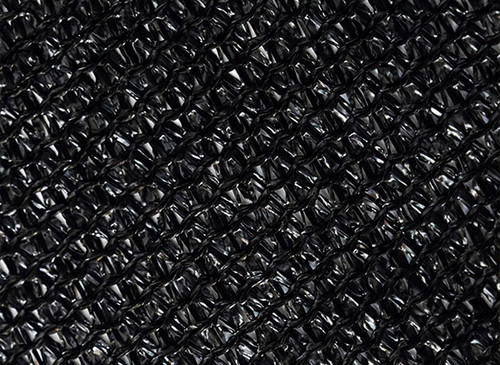
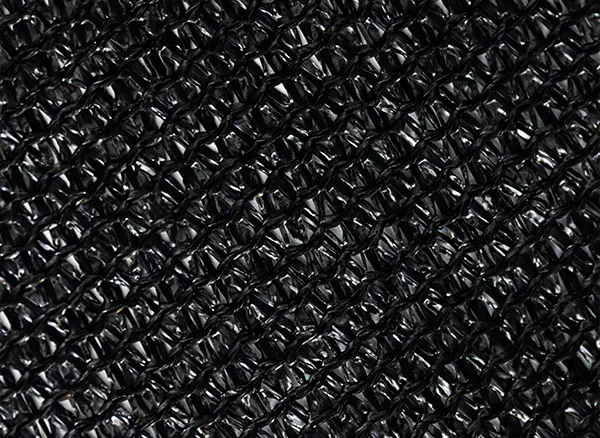
Understanding sunshade net fundamentals begins with materials and construction methods that determine performance. Lots of sunshade net products are manufactured from high-density polyethylene, a durable plastic that withstands prolonged sun exposure. The primary performance parameter for any sunshade net is its shading rate, ranging from 30 percent to 100 percent, indicating the proportion of sunlight blocked. Ultraviolet protection represents another critical function, with effective formulations reflecting 60 to 90 percent of harmful UV radiation. Sunshade net weight ranges from 30 grams to over 230 grams per square meter, with heavier weights indicating greater durability. Quality distinctions significantly impact sunshade net longevity, with virgin material products lasting three to five years compared to recycled versions that may degrade within months. The color of a sunshade net influences both appearance and function, with black nets providing big shading, green nets blending with surroundings, and white nets small heat absorption while transmitting more light.
What Are the Primary Types of Sunshade Net Available?
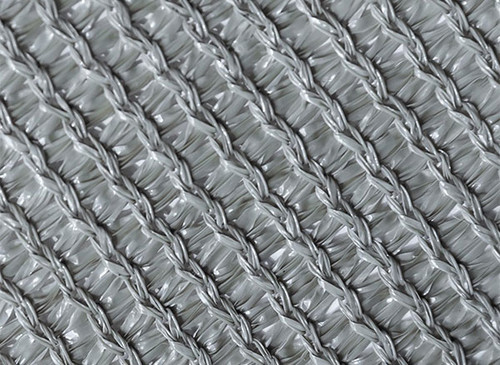
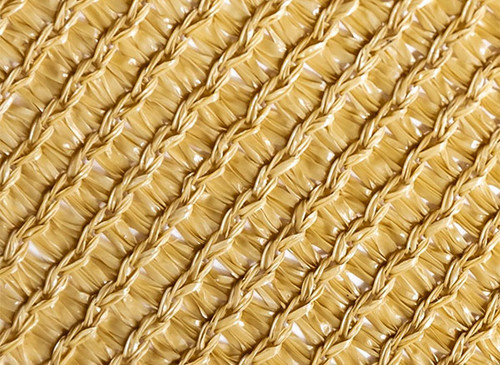
Sunshade net products are available in several distinct types optimized for specific applications. Knitted sunshade net represents the popular category, prized for flexibility and ease of installation, with this segment projected to reach approximately $900 million by 2033. The knitting construction allows sunshade net material to conform to irregular shapes and withstand wind loads. Woven sunshade net offers predominant strength and dimensional stability, making it preferred for permanent installations. Within the knitted category, sunshade net products vary by filament type, with flat tape filaments providing consistent shading and round monofilaments offering enhanced airflow. Color options significantly influence sunshade net selection, with black nets blocking the light and providing big temperature reduction. Green sunshade net products are commonly specified for landscaping applications where visual integration matters. White sunshade net has gained attention in agricultural research, with studies indicating that 20 to 40 percent shading rates optimize growing conditions for tomatoes by balancing light transmission with temperature control.
Where Are Sunshade Net Products Applied Across Different Sectors?
The application landscape for sunshade net spans multiple sectors with distinct requirements. Agriculture represents the largest application area, accounting for over 40 percent of global demand as farmers protect crops from excessive sunlight and pests. Different crops have specific light requirements, with peppers performing ideal under 50 to 70 percent shading while cucumbers thrive with 35 to 50 percent light reduction. Greenhouse operations extensively utilize sunshade net for climate control, with proper installation including maintaining gaps between net and roof structures to allow airflow. Construction sites represent another significant market, where sunshade net protects workers and materials from direct sun exposure while reducing heat accumulation. Commercial applications include parking lot shading, sports facility protection, and outdoor dining area coverage where sunshade net extends usable space during hot weather. Residential use has grown considerably for patios, decks, and pool areas, with shade sail configurations offering customizable solutions. Privacy applications utilize sunshade net as balcony screening, providing seclusion while maintaining airflow.
The sunshade net market appears positioned for continued growth as climate awareness increases and applications continue diversifying. These versatile materials will remain essential tools for managing sun exposure across agricultural, commercial, and residential environments. The Asia-Pacific region is expected to lead market expansion with growth rates approaching 8 percent, driven by agricultural modernization and urban development.
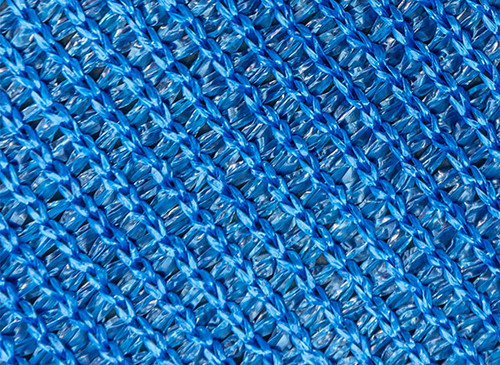
We recommend the Blue Side Black Shade Net 105GSM 6120 from Taizhou Eanon Net Industry Co., Ltd. This high-density shade net features a dual-color design—blue on one side for light reflection and black on the other for ideal shading and UV protection. With a weight of 105GSM, it offers outstanding durability and tear resistance, making it ideal for agricultural greenhouses, plant nurseries, and outdoor shading applications. The material effectively regulates temperature and reduces heat buildup while allowing airflow. Reliable and weather-resistant, this shade net provides long-lasting performance. Choose Taizhou Eanon for effective and affordable sun protection solutions.