

 英语
英语 西班牙语
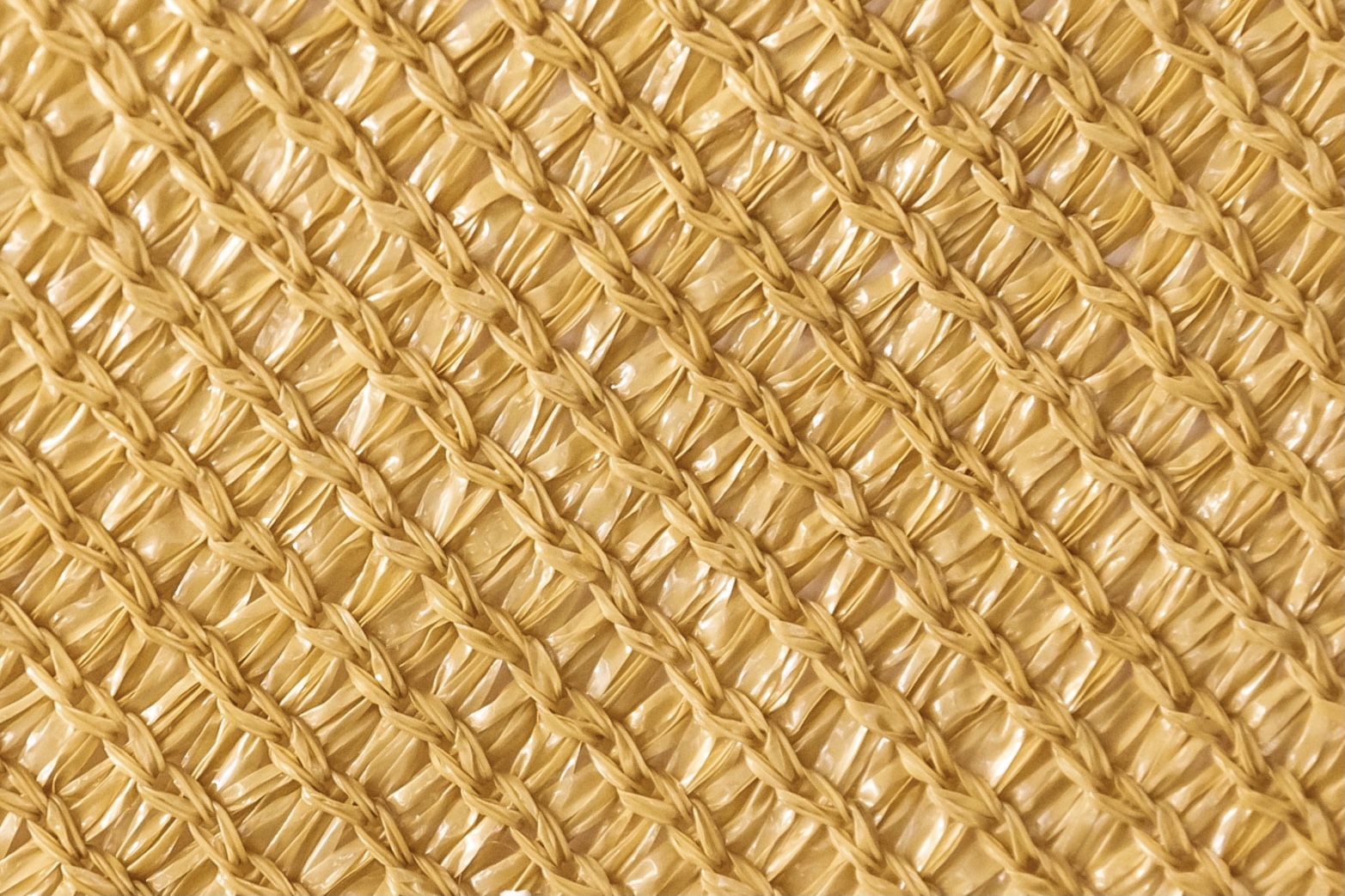
西班牙语Sunshade Sail is emerging as a key component in modern agricultural systems, a flexible canopy that shields crops, moderates light and temperature, and enhances production efficiency across large‑scale farms. From planting houses to open‑field blocks, adopting sunshade sails means treating sunlight not as a hazard but as a resource to be managed. In this transformation, the sail becomes a tool of precision, turning uncontrolled solar exposure into a controlled growth environment.
Sunshade Sail Efficiency Gains and Operational Benefits
On commercial farms, the value of sunshade sails manifests through measurable efficiency gains. For example, farms using high‑percentage shade sails report evaporation reductions of 15 % to 25 % compared to unshaded fields. Typical heat stress hours drop by up to 30 % during peak midday sun. These sails reduce the number of cooling or misting cycles and lower labour interventions for crop correction. Imagine the sail as a giant umbrella over the field, silently cutting hours of heat stress and trimming resource use. When a grower switches from no shade‑cover to a sail that blocks roughly 50 % of the sunlight, the internal canopy temperature can fall by 3–4 °C, resulting in more uniform plant growth and fewer wasted buds.
Sunshade Sail Feedback, Crop Outcomes and Field Trials
Feedback from growers emphasizes that sunshade sails produce visible improvements in crop uniformity, size, and harvest quality. Field trials indicate that certain vegetable crops grown under sails show yield increases of 5 % to 10 % and a reduction in sun‑scorch damage by around 12 %. In repeated side‑by‑side comparisons, areas covered by smart sails outperformed bare‑sun zones by having earlier harvests and less bolting. The overall sentiment is positive: fewer sun‑burnt leaves, cooler soils, steadier root zones.
Sunshade Sail Comparative Data and Peer‑Product Benchmarks
Not all shade systems are equal to each other. Peer products such as standard shade nets and fixed overhead panels typically offer shading percentages from 30 % to 70 %. Meanwhile, modern sunshade sails in agriculture are engineered to block 50 % to 90 % of incident light while remaining breathable. For instance, one comparison showed that sails designed for a 70 % shading rate allowed 8 % faster early‑season growth than a 50 % net alternative. In material terms, heavier fabric (e.g., 150 gsm) versus lighter (80 gsm) shows a difference in longevity: heavier sails maintain 90 % of their shading capacity after 3 years, while lighter nets drop to 70 % in the same period.
Sunshade Sail Deployment Challenges and Technological Innovations
Deploying sunshade sails across large agricultural sites presents logistical and technical challenges: installation speed, anchor stability under wind gusts, and uniform tension over undulating terrain. Innovation answers these: pre‑cut sail modules aligned to bed rows, automated tensioning systems, and sensor‑integrated sails that monitor canopy temperature and adjust shading angle. How can the farm ensure the sail is not simply a static tarp but an active climate‑control membrane? Through smart design, real‑time data feedback and material engineering, the sail becomes more than a cover—it becomes a responsive tool in the production chain.
Conclusion
For modern agricultural operations seeking to boost output, reduce stress, and manage sunlight, Sunshade Sail stands as more than a covering—it is a strategic production tool. It tames intense light, shields crops from heat damage, conserves water, and enhances uniform growth. Farms that compare standard nets, overhead panels and sunshade sails increasingly treat the sail as the performance benchmark.