

 英语
英语 西班牙语
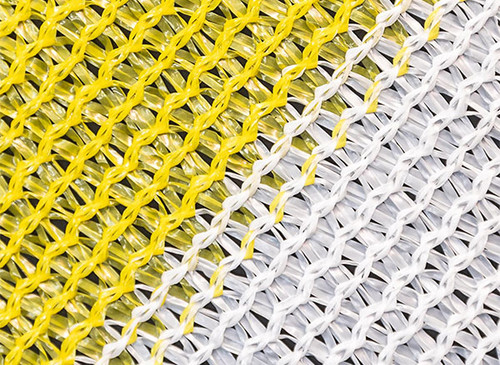
西班牙语The sunshade sail has become increasingly popular in urban landscaping and residential design for providing flexible, aesthetic sun protection. Typically fabricated from high-strength, UV-resistant woven textiles, sunshade sails are tensioned between fixed anchor points, creating overhead canopies that can be adapted to irregular spaces such as patios, playgrounds, courtyards, and poolside areas. Their primary function is to offer structured shade, reduce solar heat exposure, and enhance outdoor usability without permanent construction.
Municipalities and schools often use sunshade sails to improve comfort in communal areas. Field observations indicate that shaded zones beneath sails can reduce surface temperatures by 3–6°C, which contributes to safer and more comfortable conditions during warm weather. In playgrounds, strategic placement of multiple sails can protect children from direct sunlight while preserving airflow and visibility. Urban planners have also noted that sunshade sails can improve visual aesthetics by introducing dynamic shapes and patterns into otherwise conventional outdoor spaces. Additionally, some installations incorporate sails over bicycle parking, walking paths, or community seating areas to increase usability throughout the day.
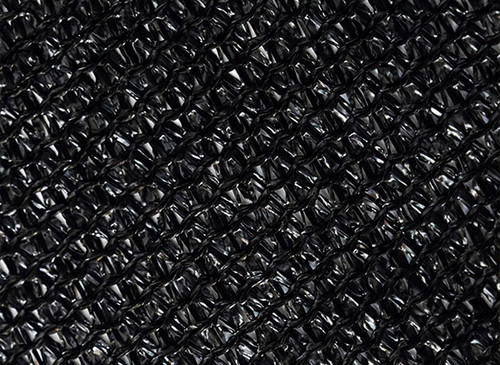
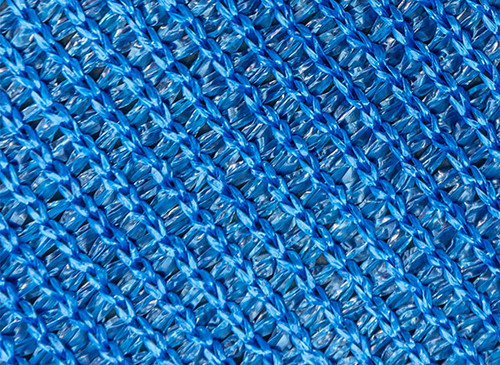
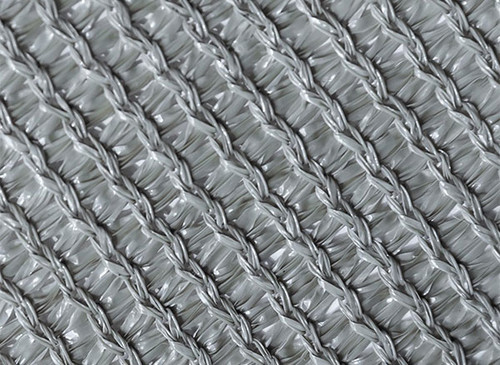
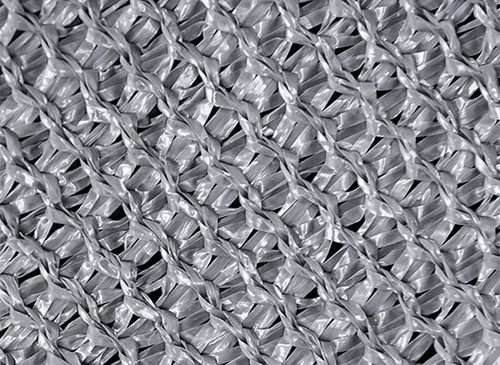
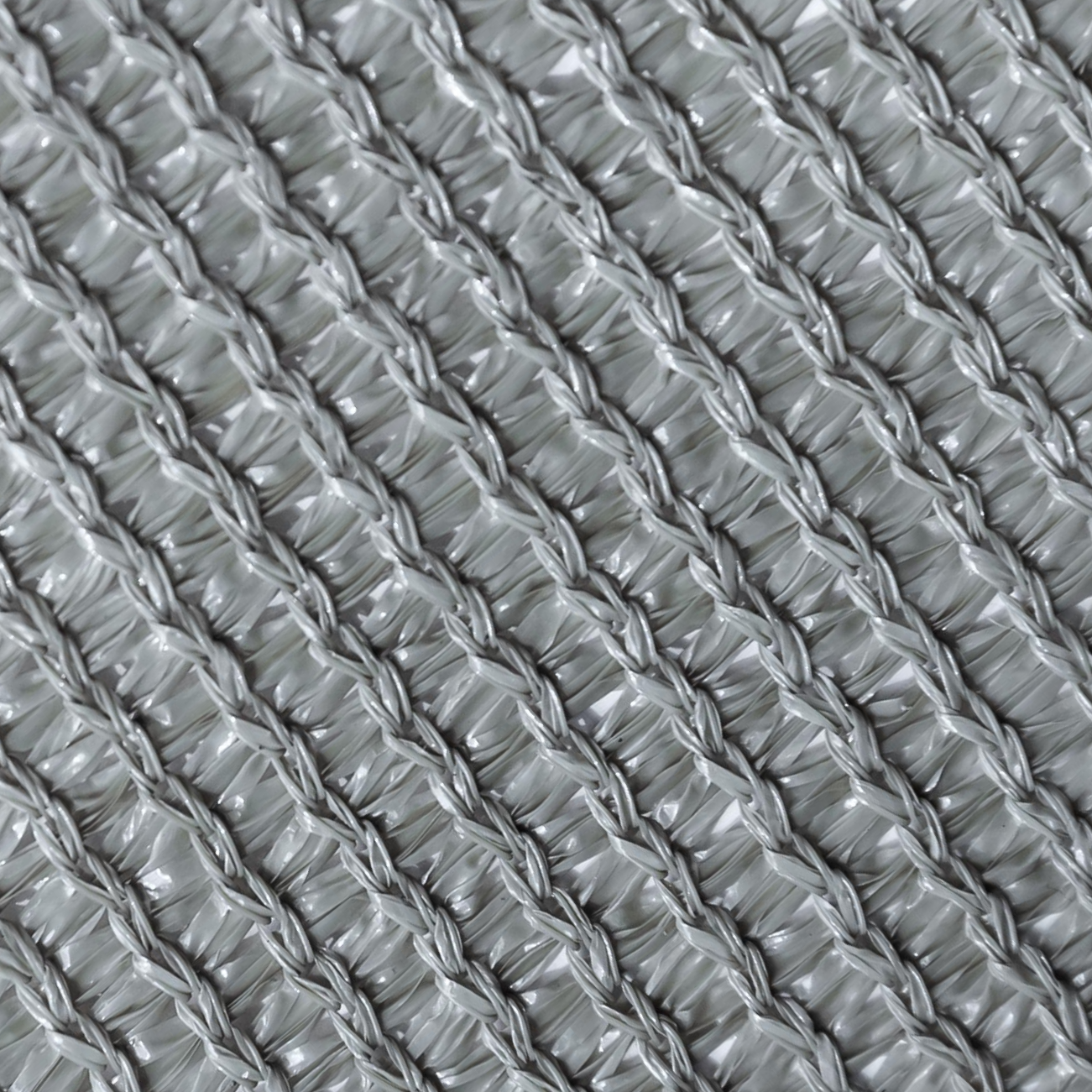
Residential applications focus on functionality and design integration. Homeowners install sunshade sails over patios, balconies, pergolas, and outdoor seating areas to expand usable space during sunny conditions. Sails are available in a variety of shapes—triangular, rectangular, and freeform—allowing them to accommodate different architectural layouts. Some installations use modular configurations that allow seasonal adjustments, partial removal, or layering for gradual light filtering. Fabric options vary in density and color, affecting sunlight penetration and visual appeal, and some models are treated to resist water or mildew, extending their longevity.
Wind and structural considerations are essential for effective sail performance. Proper tensioning prevents sagging and ensures stability during breezy conditions. Anchor points must be carefully selected to handle load distribution, and the sail geometry should prevent water pooling during rainfall. Maintenance includes periodic inspection of tension, checking attachment points, and cleaning the fabric to remove debris or dust buildup. In urban parks or commercial spaces, multiple sails can be combined to create a network of shaded zones, providing uniform coverage across larger areas.
Sunshade sails also serve secondary functions. Poolside installations reduce UV exposure for swimmers and surrounding surfaces, while in public parks or outdoor event spaces, they provide comfort over benches, picnic areas, or playgrounds, encouraging extended use of outdoor areas. Integration with landscaping elements such as trees, pergolas, or seating structures allows sails to complement existing designs, blending functionality with aesthetic enhancement.
FAQs
What is a sunshade sail?
A flexible, tensioned fabric canopy that provides overhead sun protection in outdoor spaces.
Where are they typically used?
Common in playgrounds, patios, residential gardens, pools, and public courtyards.
Do sunshade sails reduce sunlight effectively?
Yes, fabric density and installation angle determine the amount of solar exposure blocked.
Is the installation complex?
Proper anchor placement, tensioning, and geometry considerations are essential for stability.
Can sails be customized?
Yes, they come in various shapes, sizes, colors, and fabric treatments to fit different site conditions.
The sunshade sail provides a versatile and adaptable solution for urban and residential outdoor areas. By offering sun protection, aesthetic interest, and functional comfort, these sails enhance usability, support outdoor activities, and integrate seamlessly with architectural and landscape designs, making them a practical choice for both private and public spaces.